
Imperial Chronicles
Play Imperial Chronicles
Imperial Chronicles Screenshots
































Imperial Chronicles review
Master the Epic Adventures in This Immersive Adult Title
Dive into the captivating world of Imperial Chronicles, the adult game that’s redefining immersive storytelling with its blend of empire-building and steamy encounters. I still remember my first late-night session, getting lost in the intricate plots and character developments that kept me hooked for hours. This guide breaks down everything you need to know, from core mechanics to hidden secrets, helping you conquer the game’s challenges like a true imperial ruler. Whether you’re a newbie exploring the narrative or a veteran optimizing your playthrough, we’ve got actionable tips to elevate your experience.
What Makes Imperial Chronicles Stand Out?
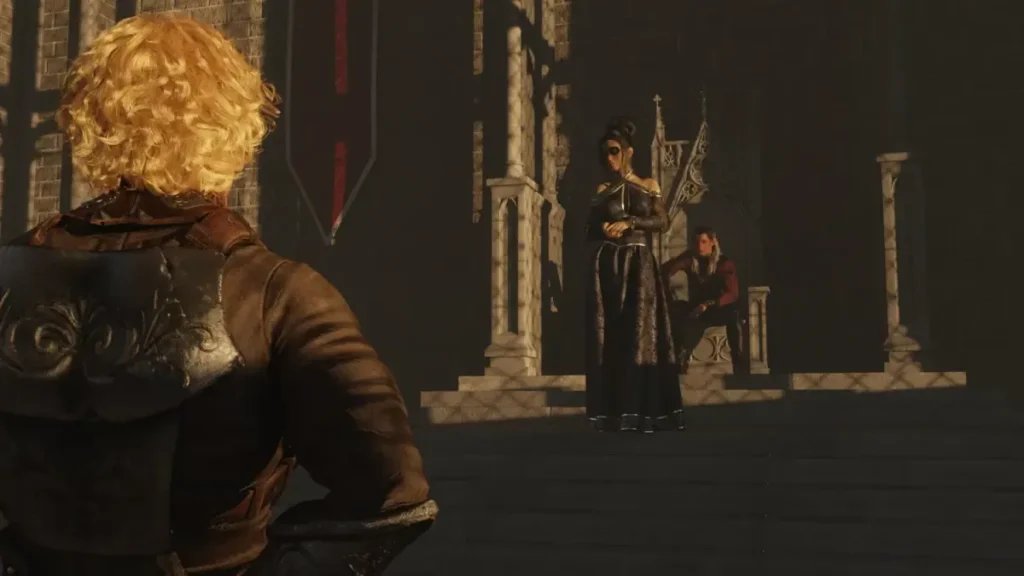
I remember the exact moment Imperial Chronicles hooked me. I was scrolling, expecting just another empire-builder, when a cutscene introduced Lady Valeria, the spymaster of the Iron Dominion. She wasn’t just giving a mission; she was offering a choice: expose a rival’s secret to gain his loyalty or use it to bankrupt his house and seize his lands for myself. The weight of that decision, where every ally and enemy felt real, was my first taste of the incredible Imperial Chronicles gameplay. This wasn’t just about painting a map my color; it was about weaving my own legend into the fabric of a crumbling empire. 🏛️✨
If you’re looking for a game where your choices carve out a personal dynasty from blood, diplomacy, and intrigue, you’ve found it. Let’s dive into what makes this epic adventure so unforgettable.
Unveiling the Core Storyline of Imperial Chronicles
At its heart, the Imperial Chronicles story is a masterclass in personal power fantasy within a grand, political tapestry. You are not a pre-defined hero. You are a scion of a noble house, rising from the ashes of a fallen emperor’s reign. The empire is fractured, with warlords, scheming senators, and forgotten gods vying for control. Your journey is about reclaiming your family’s glory, but how you do it defines everything.
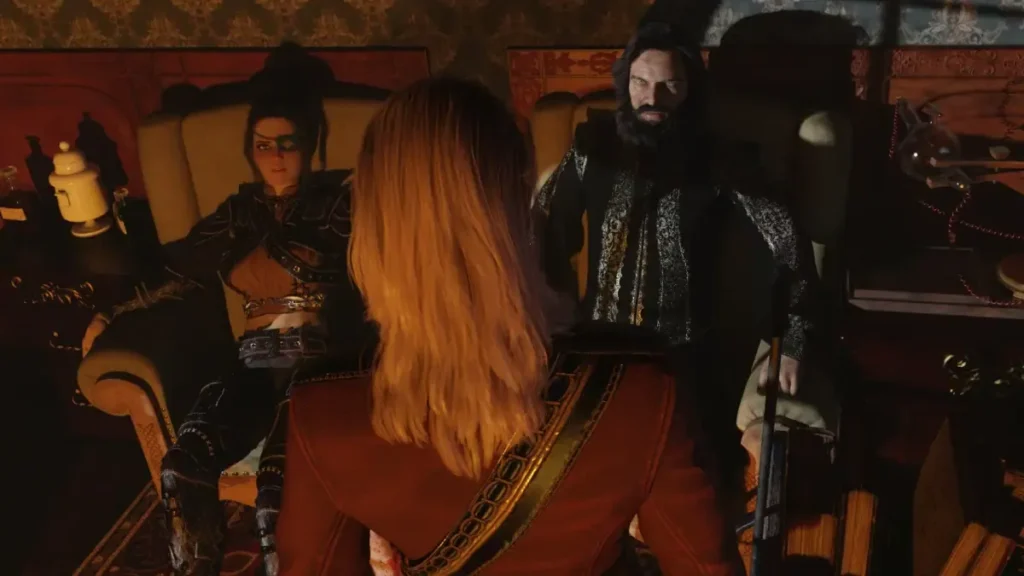
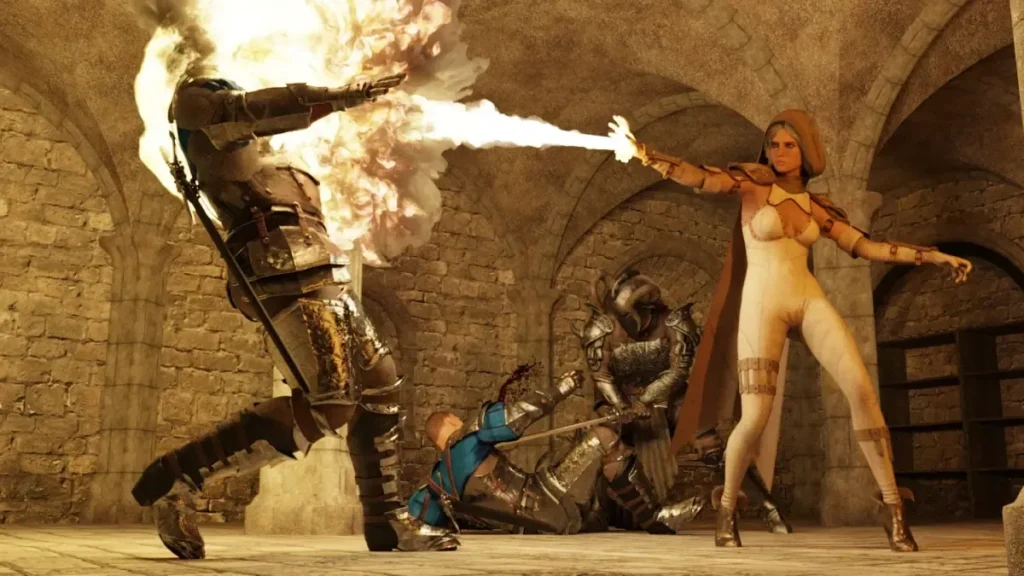
The narrative brilliance lies in how it balances epic conquest with intimate drama. One moment, you’re commanding legions on a fog-shrouded battlefield. The next, you’re in a candlelit chamber, navigating a delicate conversation with a potential ally whose motives are as shrouded as the battlefield mist. The main quests involving the reclamation of imperial relics or thwarting a continent-spanning conspiracy are gripping, but it’s your personal relationships with the Imperial Chronicles characters that give the story its soul. These aren’t quest-givers; they are complex individuals with their own ambitions, secrets, and moral lines they will or won’t cross for you—or because of you.
Key Features That Hook Players Instantly
So, what are the best Imperial Chronicles features that turn a few minutes of play into an all-night session? It’s the seamless blend of several genius systems.
First, the dynamic character system. Every major character has a loyalty and affinity meter visible only to you. Your actions constantly shift these metrics. Send a honorable knight to assassinate a rival? His loyalty might plummet, but a ruthless companion’s might soar. This makes every interaction a strategic puzzle.
Then there are the branching narrative paths. The game boasts a truly non-linear story. An enemy in one playthrough can become your staunchest ally in another, based solely on your early decisions. This feeds directly into the huge variety of Imperial Chronicles endings. There are over a dozen documented major conclusions, from becoming a benevolent philosopher-king to a tyrannical god-emperor, or even sacrificing your power to save the realm from a greater threat.
Finally, the presentation is stunning. The high-quality visuals, from the ornate armor designs to the sprawling city vistas, are complemented by a fully voiced cast that brings incredible depth to the Imperial Chronicles characters. You don’t just read their distrust; you hear it in their voice.
| Feature | Imperial Chronicles | Typical Strategy/RPG Titles |
|---|---|---|
| Story Depth | Personal dynasty saga with political & romantic subplots | Often focused on pure conquest or a fixed hero’s journey |
| Character Interaction | Dynamic loyalty system; relationships alter story paths | Static allies/enemies; companions mostly provide buffs |
| Replay Value | Extremely high, driven by radically different endings & alliances | Moderate, often based on difficulty or build choices alone |
How Imperial Chronicles Differs from Other Titles
Many games offer choice. Many games have great stories. Imperial Chronicles merges them into a cohesive whole where every mechanic serves the narrative. In other empire-builders, you manage resources like “gold” and “ore.” Here, you manage influence, secrets, and familial honor as primary currencies. A rival’s scandal is a more powerful weapon than a full army.
The Imperial Chronicles gameplay loop is uniquely satisfying because it respects your intelligence. It doesn’t hold your hand with obvious good/evil choices. Instead, you’re constantly choosing between the pragmatic, the honorable, the ruthless, and the personal. Do you marry for political advantage or for love? Do you honor a treaty that weakens you, or break it for immediate gain? The game records every decision in a beautiful in-game chronicle, literally writing your history as you play.
Want to know how to play Imperial Chronicles for the best first experience? Here’s my personal, actionable advice:
Try this build first: Play as a Diplomat of House Kaelen. Focus on Charisma and Intellect stats. This approach lets you experience the rich dialogue trees, unlock peaceful solutions, and really engage with the deep Imperial Chronicles story and characters without being overwhelmed by complex battlefield tactics early on.
When starting, don’t sweat the difficulty—Normal is perfectly challenging. Your first major choice, often involving how to deal with a rebellious vassal, sets a tone. My Imperial Chronicles tips? Talk to everyone in your initial court, and don’t rush the first few story missions. The side conversations you overhear or initiate can unlock entirely new avenues and warnings later. Remember, knowledge is power in this game.
A memorable early quest that exemplifies this is “The Whisper in the Walls.” You’re tasked with finding a leak in your council. You can brute-force interrogate staff (causing fear), meticulously audit documents (slow but thorough), or throw a lavish party and see who gets drunk enough to slip information. I chose the party, and a careless comment from a minor noble not only revealed the spy but also gave me leverage over a completely different house for the next 50 hours of my playthrough. That’s the magic ✨.
This focus on consequential choice is why the Imperial Chronicles endings feel so earned. You’re not just picking an ending from a menu; you’ve been writing its every chapter since your first decision. Whether you unite the empire through inspiration or subjugation, the finale feels like a direct, personal consequence of your journey. It’s this unparalleled Imperial Chronicles gameplay depth that will have you immediately starting a new game to see where a different path leads.
Frequently Asked Questions
Q: What’s the biggest beginner mistake in Imperial Chronicles?
A: Treating it like a simple war game. The biggest mistake is ignoring dialogue and character relationships. Building a powerful army is useless if your own spymaster is plotting against you because you offended them three chapters earlier. Pay attention to your council’s moods and the court gossip!
Q: I’m overwhelmed at the start. What’s the best initial focus?
A: Solidify your home territory first. Complete the introductory quests in your starting province. Build relationships with your initial companions and courtiers. This secures a power base. The game will tempt you with huge, empire-spanning plots immediately, but a strong home lets you engage with them from a position of strength.
Q: How vital is romance to the Imperial Chronicles story?
A: It’s as vital as you want it to be. Romances can unlock powerful political alliances, unique companion quests, and special storyline variants. However, you can also ignore them entirely and focus on conquest or diplomacy. They are a deep, rewarding layer of the narrative, not a mandatory one.
Q: Can I recover from a bad major story choice?
A: Usually, yes! The game is designed around consequence, not punishment. A “bad” choice often opens up new, unexpected paths. You might lose a powerful ally but gain a unique artifact or the loyalty of a different faction. Save before big decisions if you’re nervous, but don’t be afraid to live with your choices—it makes your story unique.
Wrapping up your journey through Imperial Chronicles, you’ve got the tools to build empires, forge alliances, and unlock every thrilling path this game offers. From my own countless hours diving into its rich narratives and strategic depths, I can say it’s a title that rewards patience and creativity like few others. Now it’s your turn—fire up the game, apply these strategies, and share your epic tales in the comments below. What’s your favorite moment so far? Let’s keep the conversation going!