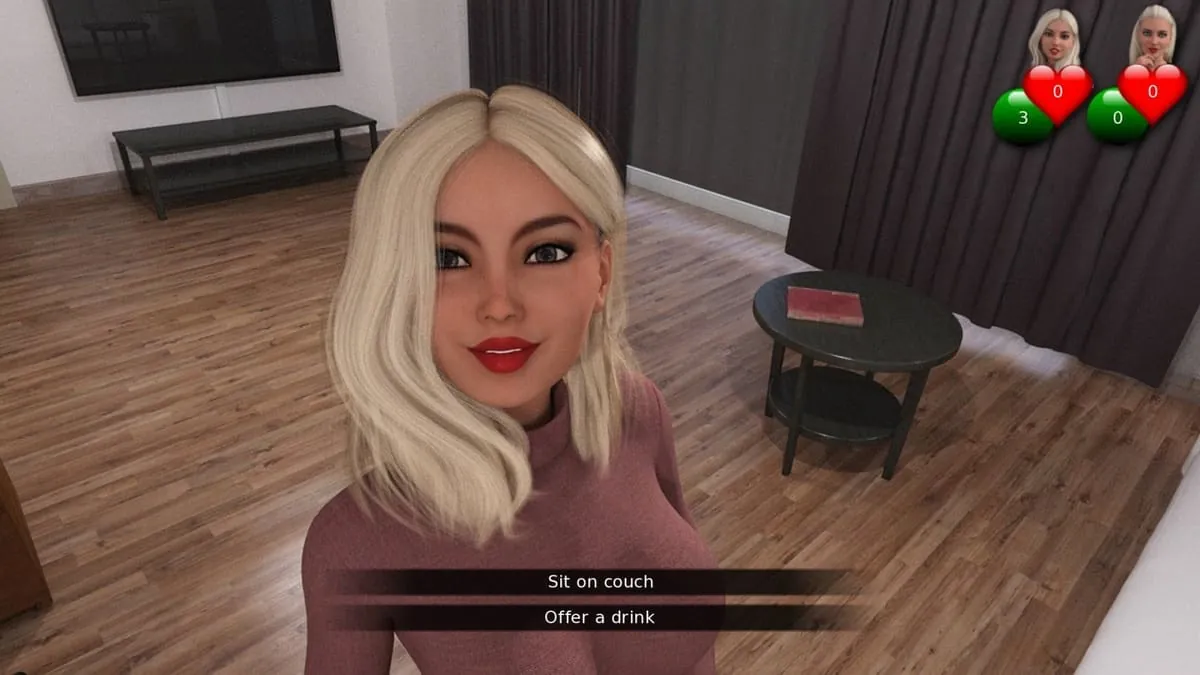
Dreaming of Dana
Play Dreaming of Dana
Dreaming of Dana Screenshots
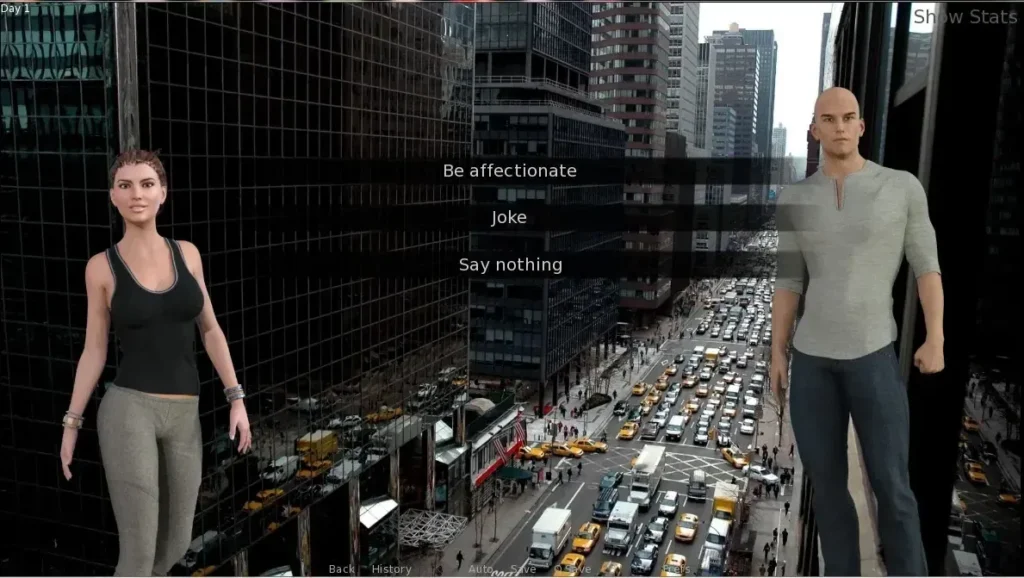
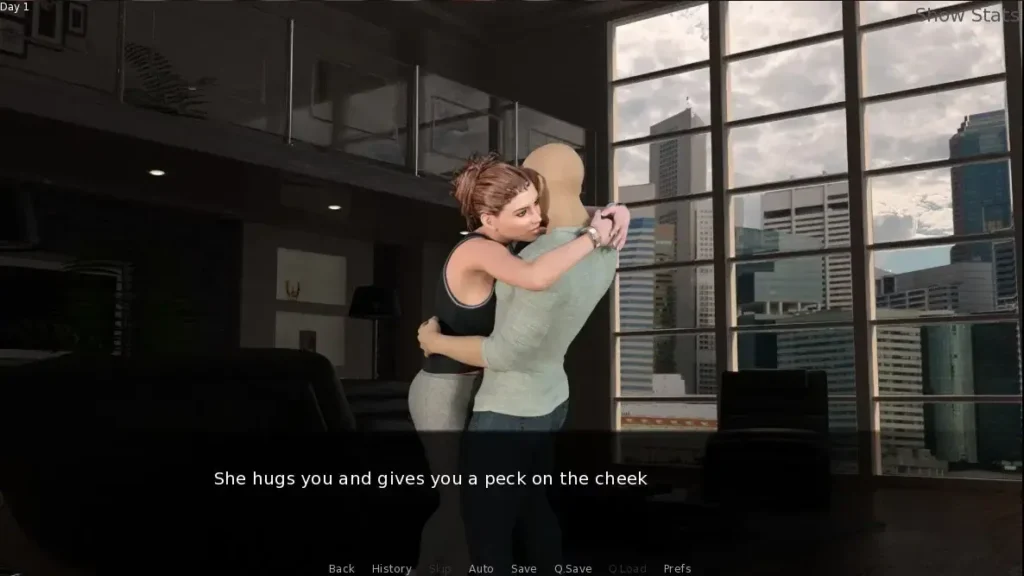
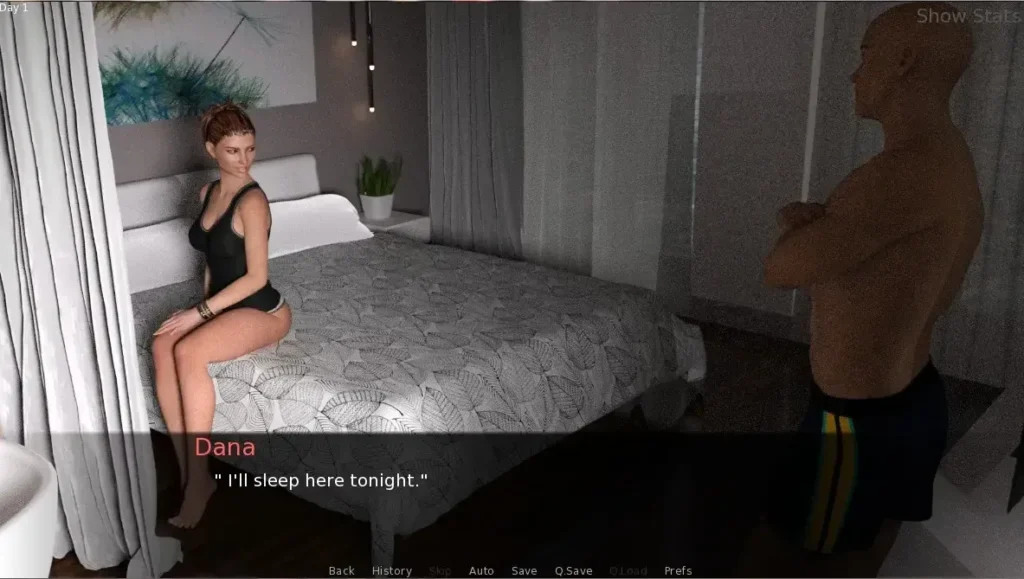
Dreaming of Dana review
Explore the Narrative, Gameplay, and Unique Features of Dreaming of Dana
Dreaming of Dana is a captivating first-person narrative game that immerses players in a surreal exploration of memory and choice. Unlike traditional games, it invites you to piece together the life and emotions of Dana through symbolic dreamscapes. This article dives into the core elements of Dreaming of Dana, revealing how its storytelling, gameplay mechanics, and character interactions create a deeply personal and engaging experience.
Understanding Dreaming of Dana’s Narrative and Gameplay
Ever found yourself wandering through a dream, where every object feels heavy with meaning, and the air itself seems to whisper a story you can almost remember? That’s the exact, hauntingly beautiful sensation Dreaming of Dana captures from the very first moment. This isn’t a game about winning or losing; it’s an invitation to understand, to piece together a life through the fragile, shimmering fragments of memory. 😌 If you’re tired of games that hold your hand with waypoints and quest logs, and you’re craving a deep, personal journey, then you’ve come to the right place. Let’s pull back the curtain on this incredible experience.
What is Dreaming of Dana About? 🎭
At its heart, the Dreaming of Dana story is a poignant mystery wrapped in the ethereal guise of a dream. You step into the worn shoes of a person returning to their childhood home after the passing of their sister, Dana. Overwhelmed by grief and regret, you fall asleep, only to find yourself in a surreal, shifting landscape built from Dana’s subconscious. This is where the magic happens: you’re not replaying history, you’re exploring it. The narrative-driven game tasks you with navigating these symbolic spaces—a fragmented childhood bedroom, a vast ocean made of sheet music, a forest of towering books—to uncover who Dana truly was.
I remember the first time I entered the “Attic of Echoes.” It wasn’t a literal attic, but a cavernous space filled with floating, silent radios and drifting pages of half-written letters. There was no narrator telling me, “This represents Dana’s difficulty communicating.” Instead, the melancholy atmosphere and the act of tuning the radios to hear snippets of past arguments showed me. This is the power of interactive storytelling in Dreaming of Dana: the plot isn’t told, it’s felt and discovered. You are an archaeologist of emotion, brushing the dust off moments of joy, anger, secrecy, and love to reconstruct a relationship. The ultimate goal isn’t a grand finale, but a moment of clarity and peace, a chance to say the things left unsaid. ✨
How Does the Gameplay Work? 🕹️
Forget about health bars, ammunition counts, or skill trees. The Dreaming of Dana gameplay is an elegant, focused system built entirely around exploration and resonance. Think of yourself as a detective who solves cases not with fingerprints, but with feelings. Your primary tools are your attention and your empathy.
The core loop is beautifully simple yet profoundly deep:
1. Explore & Observe: You move through stunning, dream-logic environments. A hallway might stretch on forever, or a door might lead you back to a room that has now changed. 🔄
2. Interact & Resonate: This is the key gameplay mechanic in Dreaming of Dana. You examine objects—a forgotten teddy bear, a cracked music box, a faded postcard. When you focus on a significant item, it “resonates,” triggering a memory fragment. These aren’t full flashbacks; they are sensory glimpses: a few lines of dialogue, a fleeting image, a wave of emotion.
3. Piece Together: As you collect these fragments, the story begins to coalesce in your mind and in your journal. You start to see connections between the music box and an argument, between the postcard and a secret dream Dana harbored.
The environment itself is your interface. A painting might be a portal, and the mood of a room can shift based on the memories you’ve uncovered there. I once spent a good ten minutes in a “garden” of frozen clocks, simply interacting with each one to hear a different, worried thought about time running out. It was a puzzle, but the solution wasn’t a code—it was understanding Dana’s anxiety about the future. This memory exploration game design makes you an active participant in the narrative, not just a passenger.
To break it down, here’s how the core actions translate into narrative discovery:
| Your Action (Gameplay) | The Narrative Result (Story) |
|---|---|
| Focusing on a dusty ballet shoe | Unlocks a memory of Dana’s abandoned dance dreams and her feeling of disappointment. |
| Arranging scattered polaroid photos on a wall | Reveals the chronological order of a key family event, changing your perception of it. |
| Choosing which of two linked memories to experience first | Influences the immediate emotional tone and which character’s perspective you initially sympathize with. |
| Revisiting a room after collecting new fragments | Alters the room’s appearance and music, reflecting your new understanding. |
The Role of Memory and Choice in the Story 💡
Now, you might be wondering, in a game about the past, can my choices really matter? Absolutely. This is where Dreaming of Dana elevates itself from a simple “walking simulator” to a profound personal experience. The player choice impact here is subtle, emotional, and deeply powerful. You are not choosing plot branches like “save the city or destroy it.” You are choosing how to listen to the past, and that changes everything.
The game presents you with interconnected memory clusters. Often, you’ll uncover two memories linked to the same emotional event—perhaps one from your perspective and one from Dana’s, or one from a moment of conflict and one from a moment of reconciliation later. The game lets you choose which one to engage with first. This simple decision frames the entire context of that event. 🧩
For example, I once found a memory fragment about a broken vase linked to one about a hidden apology note. I experienced the “broken vase” memory first: it was loud, sharp, and full of childish anger. My initial impression was of a fierce fight. When I later found the “apology note,” it felt like a sad, quiet epilogue. In a second playthrough, I sought out the apology note first. Suddenly, the broken vase memory was cast in a completely new light—it became a tragic outburst between two people who cared deeply but didn’t know how to say it. The facts didn’t change, but my emotional journey through them did.
My personal insight? The real “ending” you unlock isn’t about a binary good or bad outcome. It’s about the quality of your understanding. Did you leave Dana’s dream with a heart full of blame, or one full of forgiveness? The game’s final moments will reflect the emotional path you carved for yourself through her memories.
This is the genius of its interactive storytelling. By making you work to assemble the narrative and by giving you agency over the emotional sequence, the story becomes yours. The sadness, the nostalgia, the eventual catharsis—you earn it through your exploration and your choices. You’re not watching someone else’s grief; you’re navigating your own through the artifact of the game. 🕊️
In the end, Dreaming of Dana stands as a testament to what video games can achieve as a medium for emotional exploration. Its gameplay is a direct extension of its story, creating a seamless world where every interaction deepens your connection to Dana. It’s a memory exploration game that will linger in your own mind long after you’ve put the controller down, challenging you to look at your own past with a little more curiosity and a lot more heart.
Dreaming of Dana offers a unique blend of narrative depth and interactive exploration that invites players to connect emotionally with its story. By engaging with its dream-like world and making meaningful choices, players uncover the layers of Dana’s past and personality. Whether you enjoy immersive storytelling or introspective gameplay, Dreaming of Dana provides a memorable experience that stays with you long after playing. Dive in and discover the secrets waiting in Dana’s dreams.