Benefitship
Play Benefitship
Benefitship Screenshots


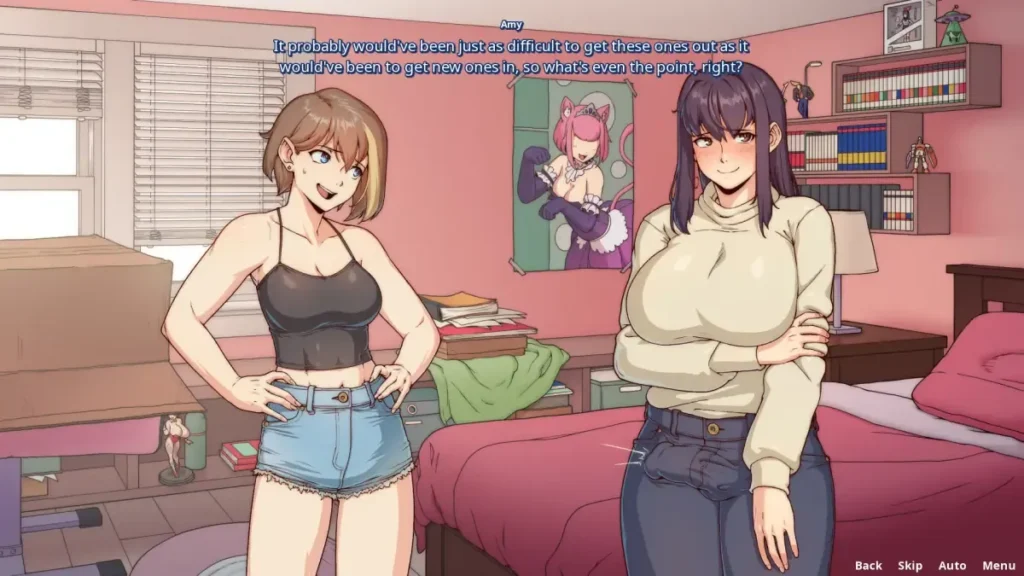
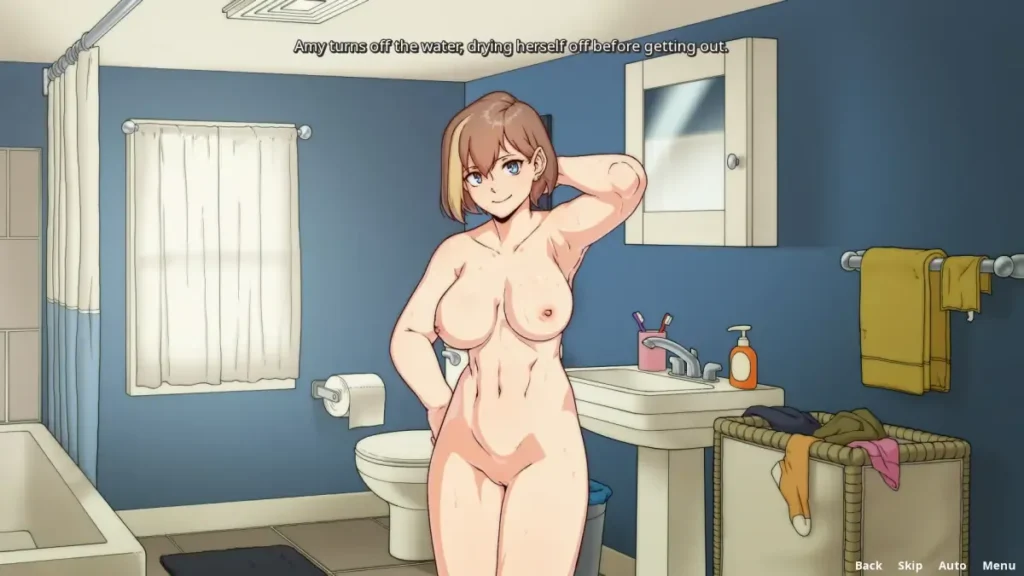

Benefitship review
Everything you need to know about this indie visual novel experience
Benefitship is an indie visual novel that has garnered attention in the adult gaming community. This comprehensive guide explores what makes this game unique, from its artistic direction to its narrative structure. Whether you’re curious about the gameplay mechanics, character development, or overall content, this article breaks down everything you need to know about Benefitship. We’ll examine the game’s features, discuss its strengths and limitations, and help you determine if it’s the right experience for you.
Understanding Benefitship: Game Overview and Core Features
Ever stumbled upon a game that feels less like a traditional title and more like a personal, curated art collection? 🤔 That was my exact feeling when I first booted up Benefitship. As someone who’s played my fair share of narrative adventures, from sprawling RPGs to kinetic novels, this visual novel indie game offered a refreshingly intimate and structured experience. If you’re curious about what makes this title tick, you’ve come to the right place. Let’s peel back the layers and understand exactly what the Benefitship game is all about at its core.
What is Benefitship and How Does It Work?
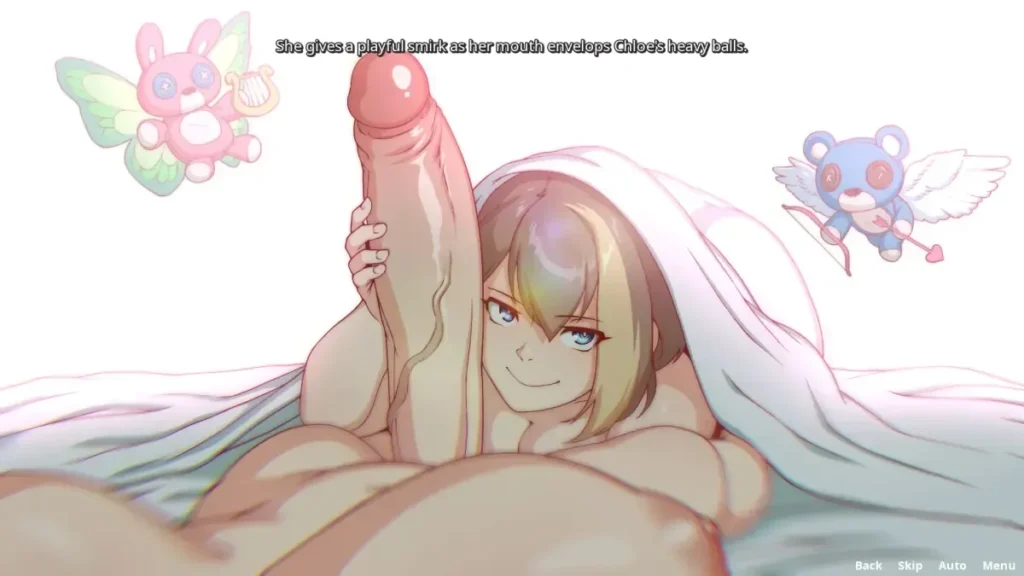
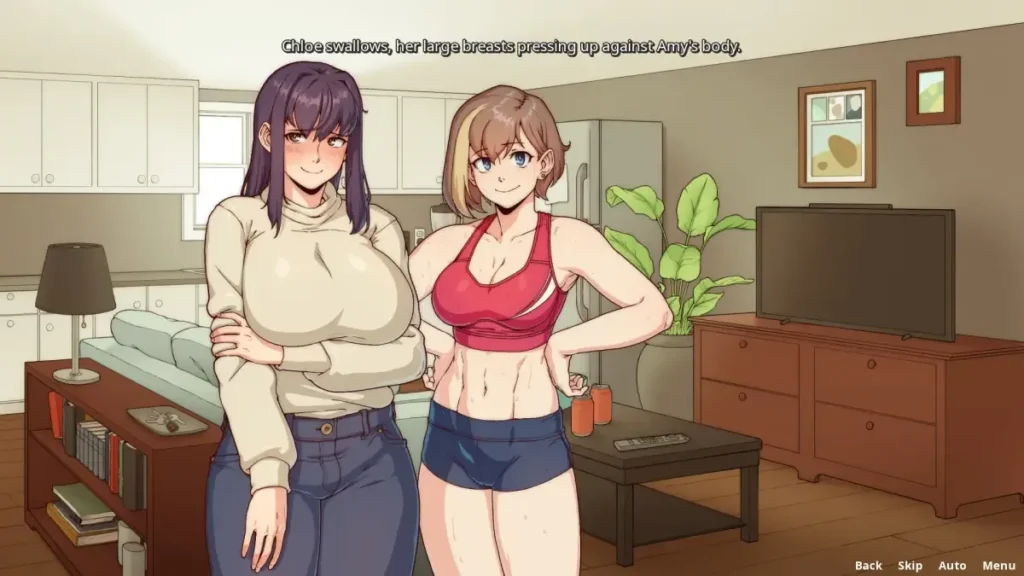
At its heart, Benefitship is a focused, scene-driven narrative experience. Imagine a story told not through endless paragraphs or open-world exploration, but through a series of beautifully crafted, self-contained moments. That’s the essence of this scene-based visual novel. You step into a world with just two central Benefitship characters, and the entire narrative unfolds through their interactions within these defined scenes.
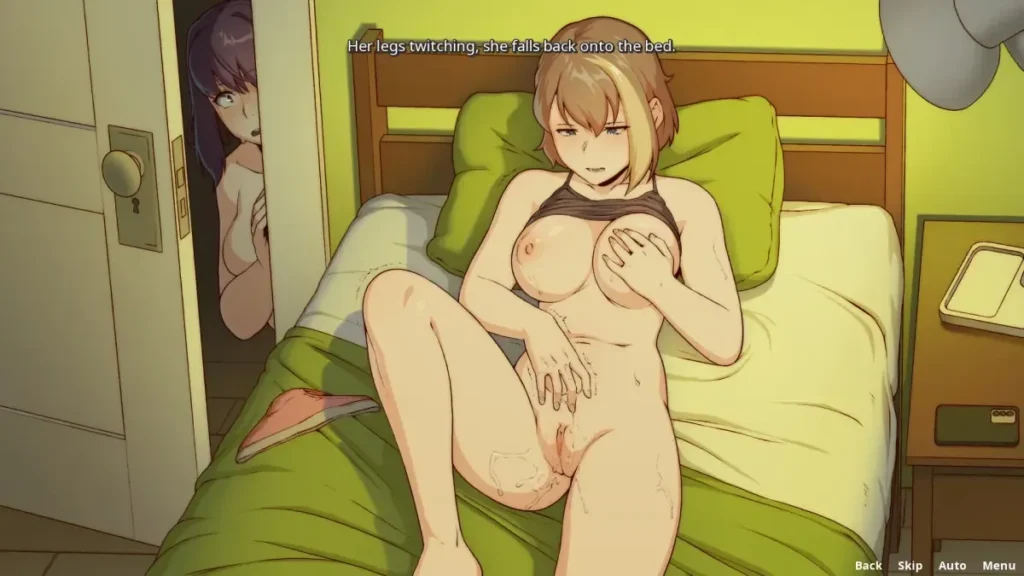
So, how does it actually work? Think of it like flipping through a sophisticated digital photo album where each picture tells part of a story, and sometimes, the picture changes based on a subtle shift in emotion or dialogue. The Benefitship gameplay mechanics are elegantly simple: you progress through sequences where a primary illustration is presented. Often, these scenes have “alternate versions” or “alts” that act as subsequent slides, creating a smooth, slideshow-like progression that brings static moments to life. A character might shift their posture, change their expression, or the background lighting might alter, adding depth and nuance without a single line of traditional animation.
It’s a deliberate choice that prioritizes mood and implication over complex mechanics. You won’t be managing stats, solving puzzles, or navigating dialogue trees with dozens of branches. Instead, you’re an observer gliding through a curated story, where the primary interaction is your decision to move to the next beat, soaking in the art and the unfolding dynamic between the characters. This makes the Benefitship game incredibly accessible, perfect for an evening of relaxed engagement.
🎯 My Tip: Don’t go in expecting a “gamey” experience. Approach Benefitship like you would a short film or a graphic novel. Your role is to immerse yourself in the atmosphere and let the scenes wash over you.
To quickly grasp what you’re getting into, here are the key features and characteristics of the Benefitship game:
- Focused Narrative: A relatively short story centered on two characters and their unique relationship.
- Scene-Based Structure: The entire experience is divided into distinct scenes, each a encapsulated moment in the story.
- Slideshow Progression: Scenes often feature a main illustration followed by alternate versions that seamlessly continue the action or emotion.
- Art-Driven Storytelling: The visuals do the heavy lifting, with character expressions and environmental details conveying subtext.
- Streamlined Interaction: Minimalistic gameplay mechanics mean you click to proceed, focusing entirely on the narrative and art.
- Indie Game Spirit: A clear, personal vision from a small developer or team, evident in every artistic choice.
- Demo Available: A visual novel demo exists, offering a perfect taste of the structure and style before you commit.
For me, the magic of this approach was in its pacing. Because it’s not a 50-hour epic, every scene feels intentional. There’s no filler. This indie game structure is a breath of fresh air in a landscape often obsessed with sheer volume.
Game Structure: Scenes, Characters, and Progression
Let’s break down the skeleton of this experience. The indie game structure of Benefitship is one of its most defining and commendable features. It’s transparent, easy to grasp, and respects your time.
The entire game is built around its scene-based visual novel framework. You can think of the narrative as a string of pearls, where each pearl is a unique scene. A scene typically starts with a key illustration, setting the location and the character’s initial poses. As you click through, you might see alternative angles or expressive shifts—these are the “alts.” This method creates a gentle sense of motion and progression within a static frame, which I found surprisingly effective for building tension and highlighting emotional cues.
The cast is intimate. You have two main Benefitship characters, and the entire story hinges on their dynamic. This isn’t an ensemble piece, and that’s its strength. By focusing so intently on just two individuals, the game can delve deeper into subtleties—a glance held a moment too long, a slight frown, a relaxed posture. You get to know them through these accumulated details rather than lengthy biographical exposition. In many larger games, side characters can dilute the main thread, but here, the Benefitship game maintains a laser focus that makes the connection (or friction) between these two feel intensely personal.
Progression is straightforward and linear. You move from one scene to the next, building the story sequentially. This isn’t a title with branching paths or multiple endings. It’s a single, authored journey. This linearity might sound simple, but it allows for a tightly paced narrative where every scene is a deliberate step in the character’s relationship arc. The gameplay mechanics here are purely about navigation and absorption—clicking to see the next piece of the sequence.
To visualize the scope and flow, here’s a breakdown of what the overall structure might feel like:
| Structural Element | Description | Player Experience |
|---|---|---|
| Total Scenes | A curated number of key moments (e.g., 20-30 distinct scenes). | A complete story that can be enjoyed in a few focused sittings. |
| Scene Composition | Each scene contains 1 main illustration + several alternate versions (alts). | Feels like watching a subtle animation or a sequence of storyboards. |
| Character Focus | Exclusively on the two main characters’ interactions. | Deep, undivided attention on the developing central relationship. |
| Progression Type | Linear, narrative-driven path from start to finish. | A directed, cinematic experience without management or complex choices. |
This clear, compartmentalized structure is perfect if you want a complete narrative experience without an overwhelming time investment. It also makes the available visual novel demo incredibly useful. The demo isn’t just a random slice; it’s likely the first few scenes of this structure, giving you a perfect feel for the pacing, the art style, and the nature of the character interactions before you decide to see the story through.
Visual Style and Artistic Direction
If the structure is the skeleton, the art is the heart and soul of the Benefitship game. This is where this visual novel indie game truly carves out its identity. The artistic direction isn’t just about being “pretty”—it’s the primary language of the story.
The overall visual presentation is clean, evocative, and deeply intentional. Backgrounds are often detailed enough to establish a sense of place but are crafted to keep your attention firmly on the Benefitship characters. You might get a cozy, softly lit apartment interior or a more abstract, mood-focused space that reflects the characters’ internal states. The use of color palettes and lighting is crucial; a warm, golden hue can convey comfort and intimacy, while a cooler, bluer tone might suggest distance or melancholy.
Now, let’s talk about the stars of the show: the character illustrations. The artwork for the two main characters is typically the centerpiece of every scene. The style is often a blend of detailed, expressive character design with a touch of stylization that gives the game its unique fingerprint. The quality lies in the expressiveness. A huge amount of the story’s subtext is conveyed not through words, but through a character’s eyes, the set of their mouth, or the way they hold themselves. The shift from a main illustration to an “alt” version is often a masterclass in this—a slight drop of the shoulders can speak volumes about resignation, or a tiny smile can signal a breakthrough.
This art-driven approach is what makes Benefitship differ from many other visual novels. While some VNs might use simpler, more functional sprites against repetitive backgrounds, this game treats each scene as a unique piece of art. The scene-based visual novel format is perfectly suited for this, as the artist can compose each shot for maximum emotional impact, like a director framing a cinematic shot.
✨ Personal Insight: Playing through, I often found myself pausing not just on the dialogue, but on the illustrations themselves. The art in Benefitship isn’t just accompaniment; it’s the narrative. The way a character’s hand might be drawn, slightly hesitant, told me more about their feelings than any line of text could.
The presentation style is polished and cohesive. Menus and UI elements are usually designed to be minimalist and unobtrusive, keeping you immersed in the world. The sound design—though not the focus of this chapter—often works in tandem with the visuals, using subtle ambient sounds or music cues to enhance the mood of a scene without overpowering it.
In essence, the Benefitship game is a testament to how powerful a focused vision can be. By combining a clear, scene-based structure with a deep commitment to expressive art, it delivers a specific kind of experience: short, impactful, and emotionally resonant. It proves that in the world of indie game structure, sometimes less—when executed with this much care and intention—is profoundly more. And with a visual novel demo readily available, you have no reason not to step in and see if its unique rhythm and style captivate you as they did me. 🎭
Benefitship stands out as a unique indie visual novel experience with distinctive artistic direction and strong voice acting performances. The game offers a relatively compact but focused narrative centered around two characters, presented through a scene-based structure of illustrated sequences. While it has limitations such as lack of animation and some unfinished artistic elements, the game delivers value for players interested in character-driven visual novel experiences. Whether Benefitship is right for you depends on your preferences for indie games, visual novels, and what you prioritize in gaming experiences. For those seeking an affordable, artistic indie title with solid voice work and intimate storytelling, Benefitship presents an intriguing option worth exploring, especially when available at discounted prices.